Chiara Goossens1*, Colin Iolos1*, Ana Lopez‑Perez1,2, Maurijn Kessels1, Elisa Deom1, Noella Bletard3,4, Bernard Peers1, Lydie Flasse1,5, Marianne Voz1,6
*Co-first author
1 Laboratory of Zebrafish Development and Disease Models (ZDDM), GIGA, University of Liège, Liège, Belgium.
2 Present address: Umeå Centre for Molecular Medicine (UCMM), Umeå University, Umeå, Sweden.
3 Anatomie Pathologique, CHU Liège, Avenue de l'Hôpital 1, 4000, Liège, Belgium.
4 Present address: Service d’Anatomie Pathologique, Clinique CHC MontLégia, 4000 Liège, Belgium.
5 Present address: Max Planck Institute of Molecular Cell Biology and Genetics (MPI-CBG), Dresden, Germany.
6 Corresponding author: Marianne Voz
Background
Pancreatic ductal adenocarcinoma (PDAC) is the most common form of pancreatic cancer and has the worst prognosis among all cancers, largely because it is most often diagnosed at advanced metastatic stages. Identifying robust markers of preinvasive disease and elucidating the molecular networks that drive progression from early lesions to invasive carcinoma are therefore critical to improve early detection and preventive strategies.
Methods
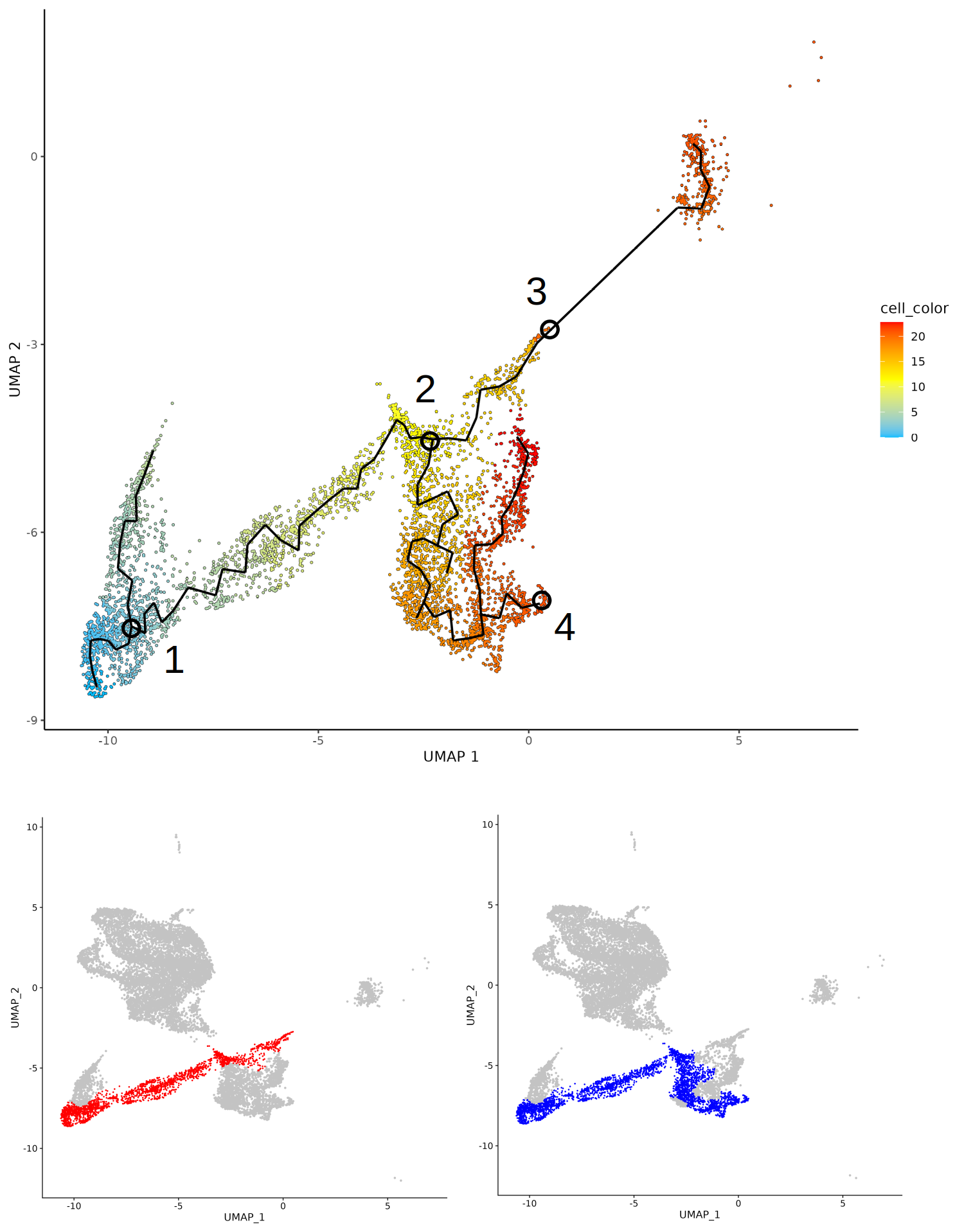
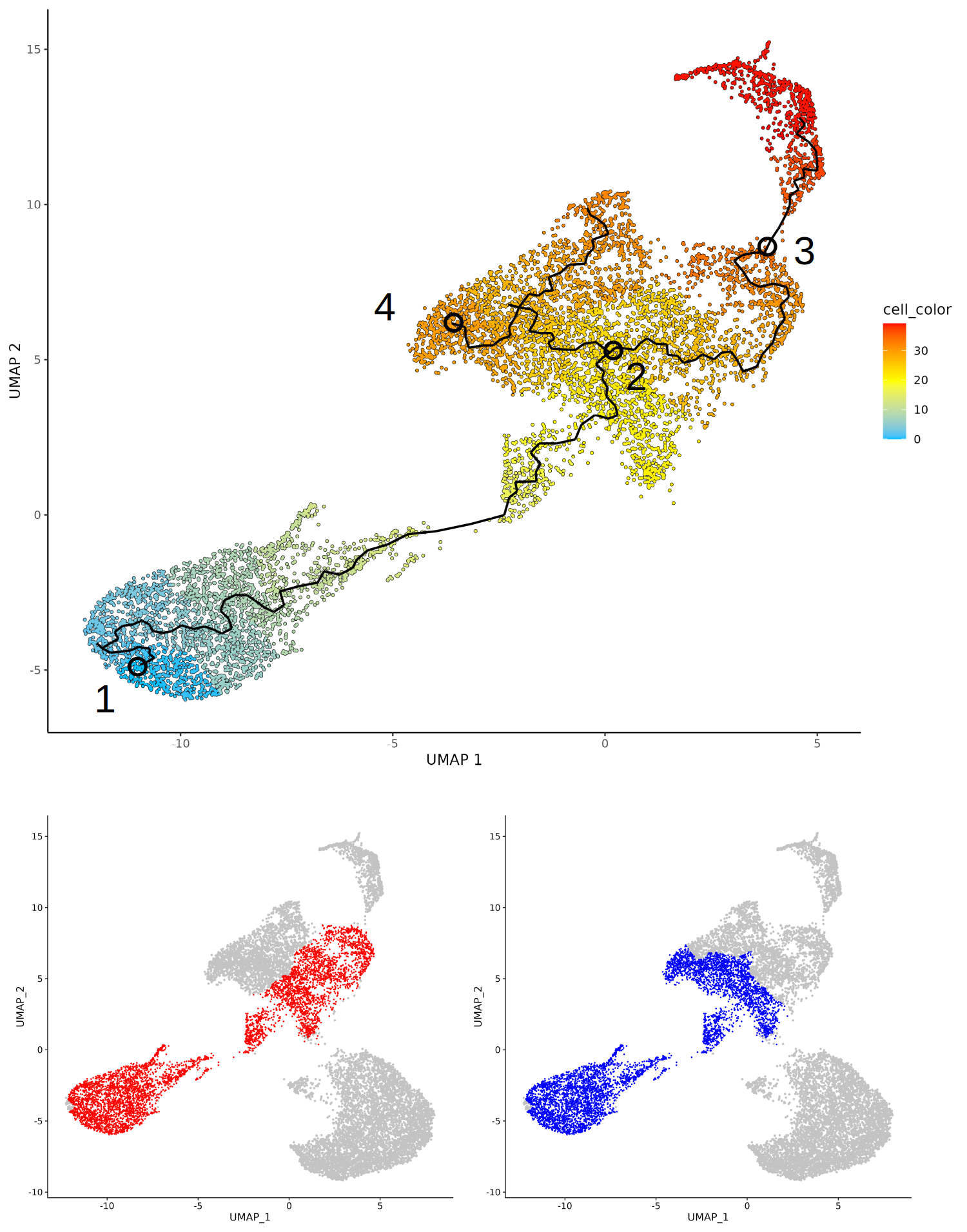
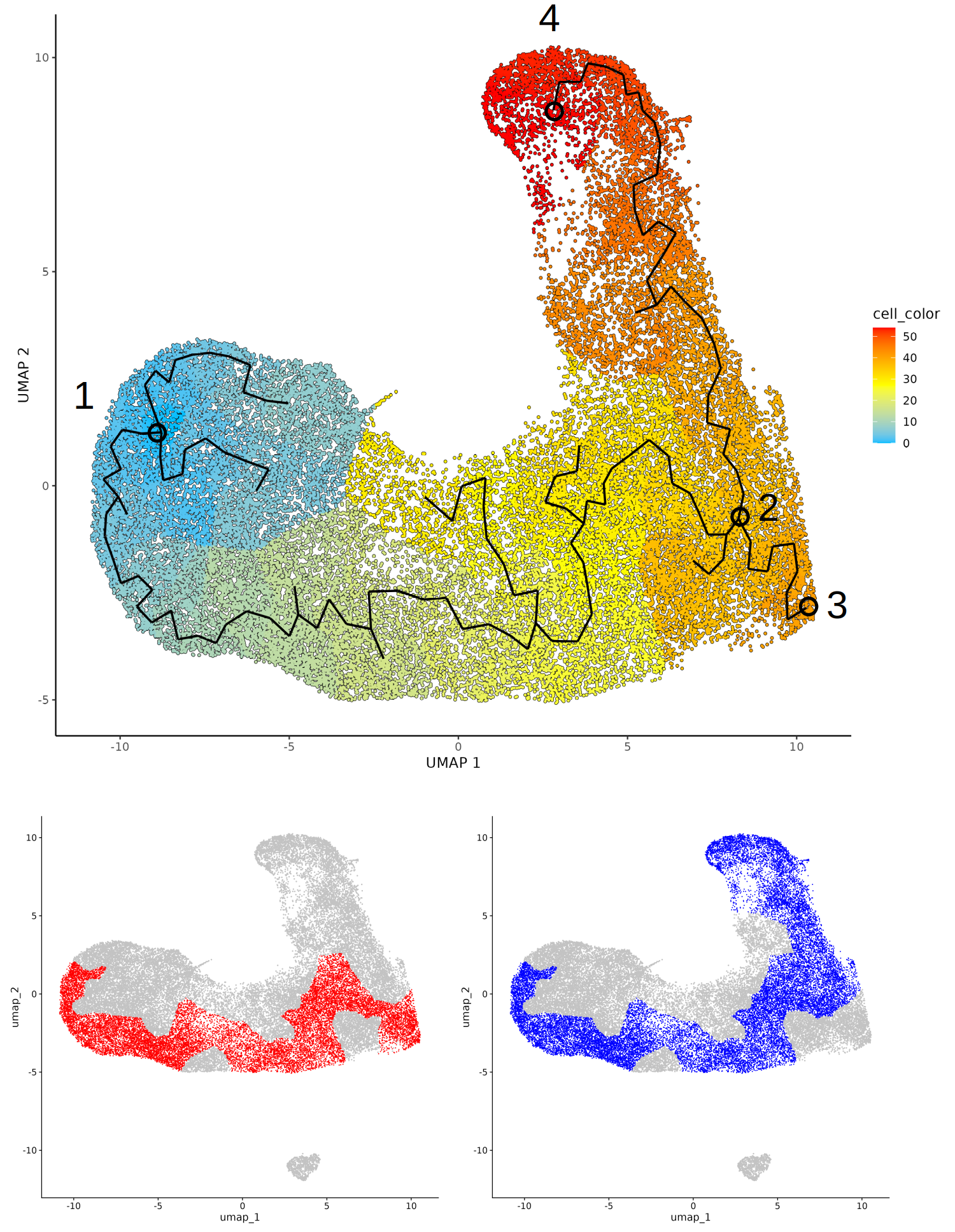
We generated a zebrafish model in which oncogenic KRASG12D is specifically expressed in pancreatic acinar cells, inducing acinar-to-ductal metaplasia (ADM) that faithfully recapitulates key features of mammalian pancreatic tumourigenesis. Single-cell RNA sequencing was performed to characterize transcriptional changes occurring at early disease stages. Cross-species comparisons were conducted with published mouse and human pancreatic single-cell transcriptomic datasets to identify evolutionarily conserved genes and signalling pathways associated with pancreatic tumourigenesis. Monocle3 analysis was used to precisely reconstruct the trajectory of tumour cells from normal acinar to malignant states and active regulatory networks along this trajectory were inferred using SCENIC.
Results
Cross-species analyses revealed a striking conservation of genes upregulated during metaplasia, activating common signalling pathways and regulatory programs in zebrafish, mouse, and human. Notably, metaplastic cells reactivate a broad set of developmental genes normally expressed in multipotent pancreatic progenitors. High concordance across species is also observed when reconstructing tumour cell trajectories from acinar to cancerous states, revealing shared gene expression changes along this progression. Notably, these analyses reveal a set of cytoskeletal and migration-related genes specifically upregulated at the metaplasia–cancer transition, likely conferring invasive potential to these cells. SCENIC analysis further identified regulatory networks that become progressively activated during malignant transformation, suggesting their involvement in the acquisition of cancer-associated traits.
Conclusions
Our study demonstrates a high degree of evolutionary conservation in the molecular mechanisms driving pancreatic cancer progression from early to late stages. These findings highlight critical pathways and regulatory programs that represent promising targets for interventions aimed at preventing PDAC development and progression.
The data for this study have been deposited in the European Nucleotide Archive (ENA) at EMBL-EBI under accession number PRJEB107715 (link)
Cross-species gene exploration of acinar-to-cancer trajectories



UMAPs
Input features
You can either
1) enter human gene name(s), which will be automatically converted into their mouse and zebrafish orthologs
or
2) manually enter the gene names for each species.
⚠️ Gene names are case-sensitive.
Example:
Autoconvert mode: enter the human gene symbol in uppercase (e.g. SOX9)
Manual mode:
Human: SOX9
Mouse: Sox9
Zebrafish: sox9a, sox9b
Autoconvert mode: enter the human gene symbol in uppercase (e.g. SOX9)
Manual mode:
Human: SOX9
Mouse: Sox9
Zebrafish: sox9a, sox9b
Log-based expression per cell
Averaged log-based expression per cluster
Visualize gene dynamics along trajectories